Radar sensors
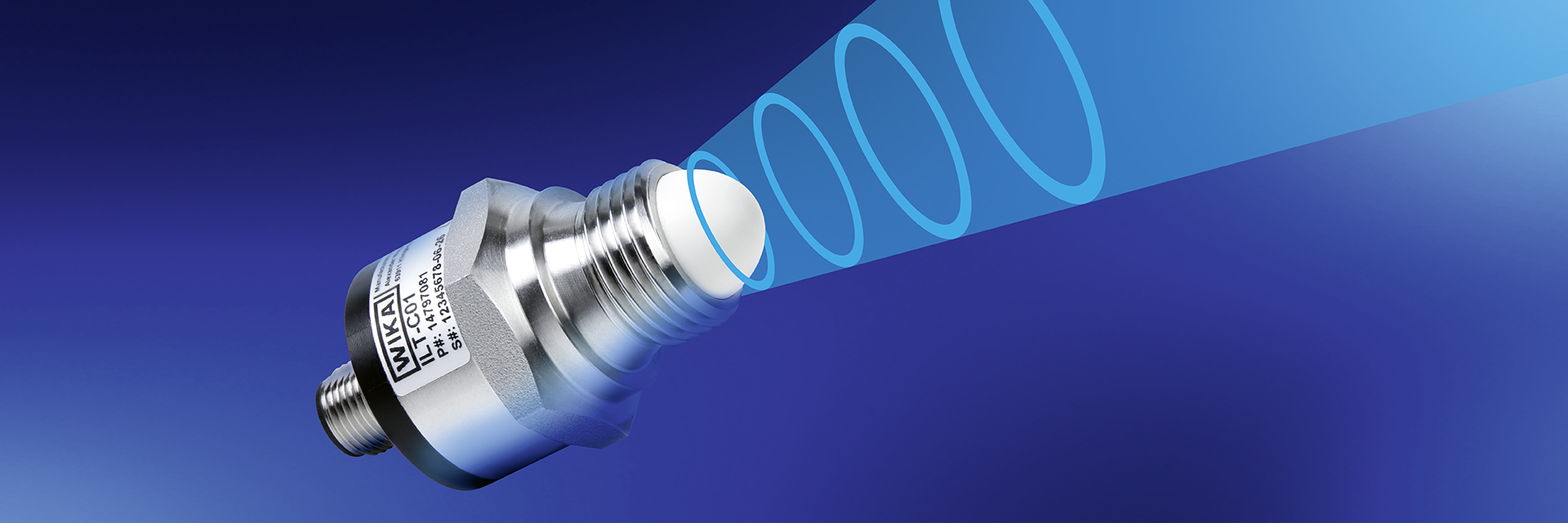
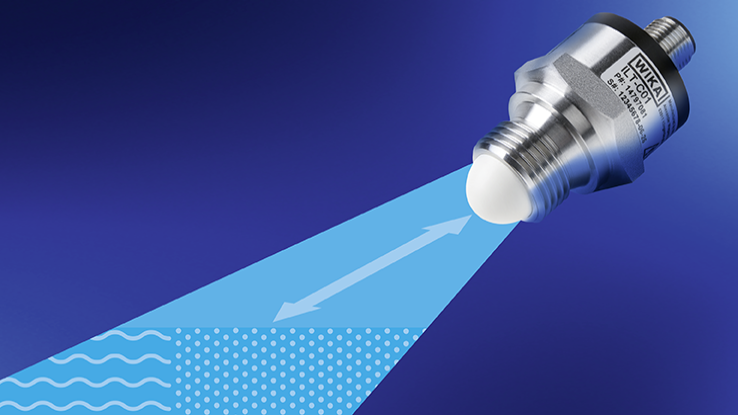
Contactless sensing. Wear-free operation.
Thanks to its non-contact radar measurement technology, the ILT-C01 is protected against wear and measurement inaccuracies caused by debris build-up. Its non-invasive measurement principle ensures a long service life and minimal maintenance requirements.
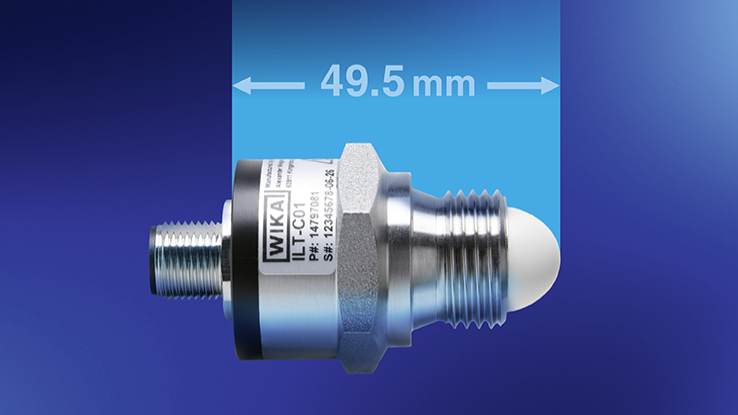
Easy to fit. Anywhere.
At only 49.5 mm long, the ILT-C01 is the perfect solution for applications with limited installation space. Whether expansion tanks, complex container designs or mobile working machines – the small level sensor can be integrated easily in almost any environment.
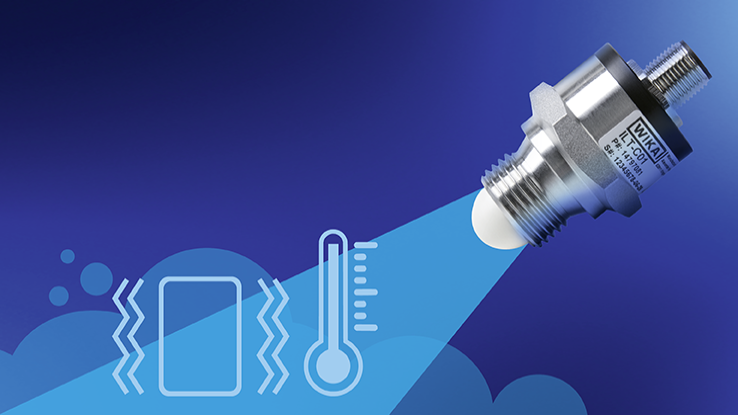
Dependable data. No matter what.
Vibrations, tilting, dust, water vapour, oil mist, windy conditions, high media temperatures – the ILT-C01 delivers long-term accurate data under demanding operating conditions. This makes applications more secure and frees you from worrying about unavoidable downtime and failures.
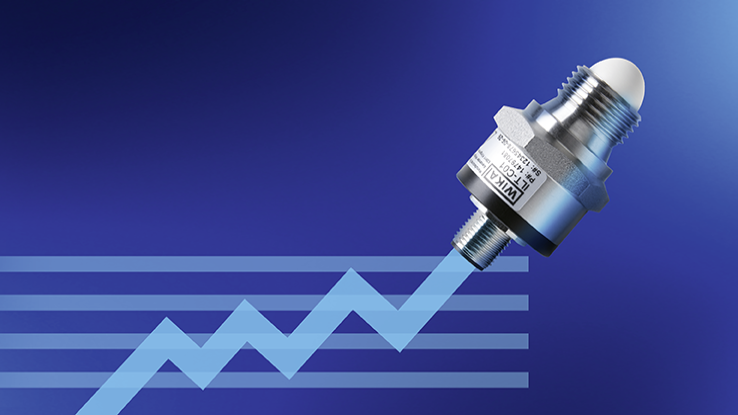
A single sensor is all that is needed.
With the ILT-C01, there is no need to maintain an extensive product inventory in stock. Thanks to its sensor design, it can be integrated into many applications and adapted to the specific installation situation. This saves costs and effort in warehousing.
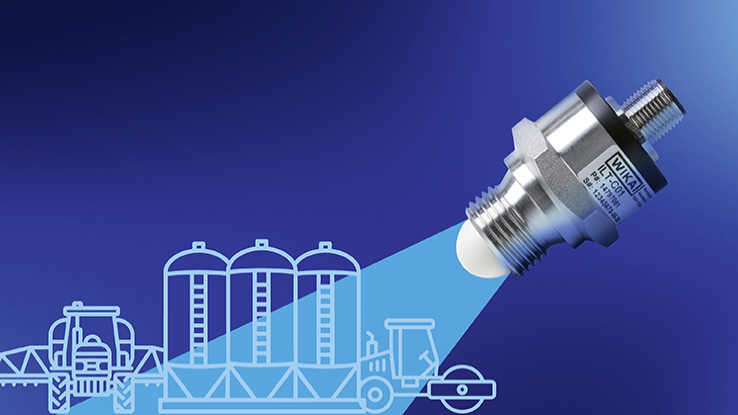
Measure what you need. Where you need it.
The ILT-C01 measures levels and distances precisely where the data is needed – whether in applications with hot water, oil-based liquids, highly viscous or abrasive media, bulk materials or dusty environments. Repeatable precision is guaranteed, no matter the conditions, making the ILT-C01 an excellent choice for various application scenarios.




How does a radar level sensor work?
A radar level sensor emits electromagnetic waves (microwaves) in the direction of the measured medium. The waves are reflected at the surface and received by the sensor. Based on the transit time, the sensor calculates the distance to the surface and derives the level. The ILT uses FMCW radar technology for precise measurements.
What are the advantages of radar technology over ultrasound and other measurement principles?
Radar level sensors work independently of temperature, pressure, vapour and dust. Unlike with ultrasound technology, they do not rely on sound waves, which can be affected by vapour for example. Radar technology offers higher accuracy, a greater range and is maintenance-free. The ILT measures reliably, even under difficult process conditions.
Can the ILT measure through plastic?
Yes, the ILT can measure through certain plastics. This requires a low dielectric constant (εr < 2) and low conductivity. Suitable materials include PTFE, PE, PP in thin wall thicknesses (1-5 cm). The plastic must be homogeneous. 3D-printed parts are unsuitable due to the honeycomb structure. Materials with εr > 2.5 reflect too much of the signal and are not suitable.
What applications is the ILT suitable for?
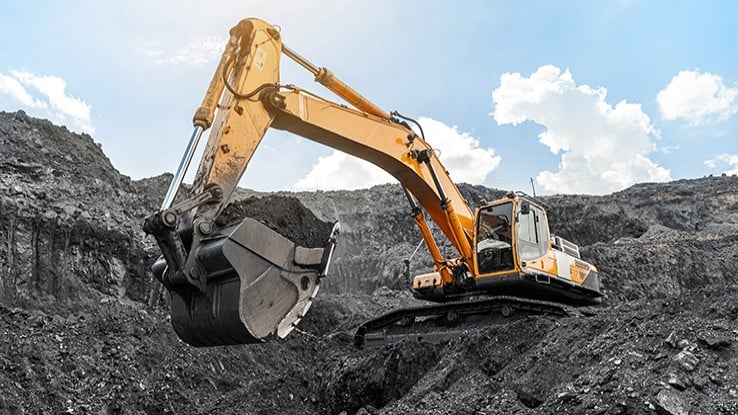
The ILT is suitable for level measurement of liquids and bulk materials with a dielectric constant εr > 2. Typical applications include hydraulic tanks, fuel tanks, water tanks, AdBlue tanks, oil tanks and silos. It is ideal for mobile machines, construction machinery, agricultural machinery, commercial vehicles and stationary industrial plants.
Can the ILT be used in mobile machines?
Yes, the ILT has been specifically designed for mobile applications. Its benefits include the robust case, vibration resistance, a wide temperature range (-40 °C to +100 °C / 150 °C) and that it is insensitive to sloshing and motion. The signal smoothing suppresses interference from vehicle movements. That makes it ideal for construction machinery, agricultural machinery, trucks and mobile hydraulic systems.